
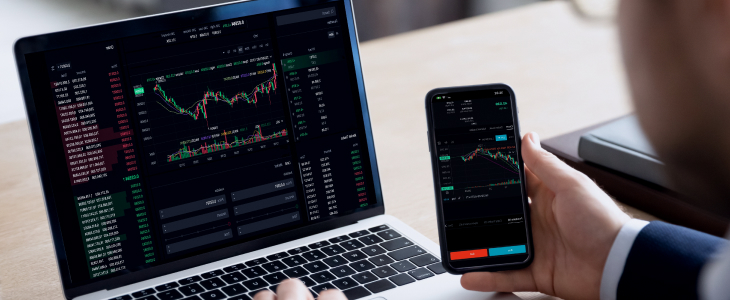
In recent years, the world of Forex trading has undergone a transformative change due to the advent of technology. One of the most significant innovations in this space is robot trading, which employs automated systems to execute trades on behalf of traders. This technology allows for precision, speed, and the ability to operate in a 24/5 market without human intervention. As we dive into the intricacies of robot trading in Forex, we cannot overlook the importance of choosing a reliable broker, such as robot trading forex FX Trading Broker, which provides essential tools and support for both new and seasoned traders.
What is Robot Trading?
Robot trading, also known as algorithmic trading or automated trading, utilizes specialized software programs designed to analyze market data and execute trades based on pre-defined criteria. These robots function by analyzing price patterns, market trends, and economic indicators, deciding when to buy or sell currency pairs without the need for emotional decision-making. The core attraction of robot trading lies in its ability to execute trades consistently and effectively, making it an appealing option for both novice and experienced traders.
The Mechanism Behind Robot Trading
Robot trading systems operate on complex algorithms that can be programmed to follow various trading strategies. These can include technical analysis, fundamental analysis, or a combination of both. Once the parameters are set, the robot continuously monitors the Forex market, looking for opportunities that match its algorithmic criteria. Upon detecting such opportunities, the robot can place trades automatically, often in fractions of a second, which is a significant advantage in the fast-paced world of Forex.
Benefits of Using Robot Trading in Forex
- Emotionless Trading: Robots eliminate the emotional factor in trading decisions, reducing the chances of making irrational choices based on fear or greed.
- Speed and Efficiency: Robots can analyze multiple indicators and execute trades much faster than a human trader can, which can lead to capturing more opportunities.
- 24/5 Trading: Unlike human traders, robots can operate around the clock, allowing them to exploit market opportunities in different time zones.
- Backtesting: Many robot trading systems allow users to backtest their strategies using historical data, which helps in fine-tuning algorithms before deploying them in live markets.
- Consistent Application of Strategy: A robot will follow the defined trading strategy consistently; unlike human traders, who may deviate from their strategies due to emotional influences.
Choosing the Right Robot Trading Software
When venturing into robot trading in Forex, selecting the appropriate software is crucial. Many options are available in the market, and choosing one depends on an individual’s trading style, risk tolerance, and specific needs. Consider the following factors when selecting a robot trading software:
- Performance History: Review the past performance of the robot. A proven track record with consistent returns can be a strong indicator of its viability.
- User Reviews and Testimonials: Research user experiences to gauge customer satisfaction and reliability.
- Customization Options: Look for software that allows you to customize trading parameters to fit your trading strategy.
- Support and Updates: Ensure that the provider offers reliable customer support and regular updates to improve the software’s functionality over time.
- Compatibility: Verify that the trading robot is compatible with your chosen Forex broker and trading platform.
Challenges Associated with Robot Trading
While robot trading presents several advantages, it is also accompanied by certain challenges that traders must consider:
- Dependency on Technology: Relying solely on robots can be risky; market conditions change, and a robot that performs well under certain circumstances might not adapt effectively to different market environments.
- Over-Optimization: Traders might fall into the trap of over-optimizing their robots based on historical data, leading to poor performance in real market conditions.
- Technical Failures: Like any technology, robot trading software can encounter bugs or crashes, which may lead to missed opportunities or significant losses.
- Limited Understanding: Traders who rely entirely on robots may lack a deep understanding of market fundamentals, making them vulnerable if the robot fails.
Best Practices for Using Robot Trading in Forex
To maximize the benefits of robot trading while minimizing risks, traders should adhere to the following best practices:
- Start Small: Begin with a small investment to assess the performance of the robot before committing larger amounts of capital.
- Monitor Performance: Regularly review the robot’s trading activity and performance metrics to ensure it continues to meet expectations.
- Diversification: Use multiple robots or combine automated trading with manual trading strategies to spread the risk across various approaches.
- Stay Informed: Keep up with market news and economic indicators that could impact your trading performance, even if using automated systems.
- Adjust as Needed: Be prepared to amend your robot’s parameters based on market conditions and the overall performance of your trading strategy.
The Future of Robot Trading in Forex
As technology continues to advance, the landscape of robot trading in Forex is likely to evolve further. Innovations such as artificial intelligence and machine learning are already beginning to influence trading algorithms, providing them with the ability to adapt to changing market dynamics more effectively. Furthermore, enhanced data analysis techniques will enable robots to analyze larger datasets in real time, offering potentially more informed trading decisions.
In conclusion, robot trading represents a significant advancement in the Forex trading arena, offering numerous benefits for traders. However, it is essential to approach this technology with caution, understanding its limitations and implementing best practices for its use. By choosing the right trading robot, monitoring its performance, and staying informed about market developments, traders can harness the power of automation to enhance their trading success.