
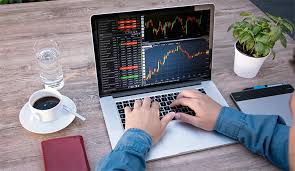
Online forex trading has exploded in popularity over the past two decades, becoming an accessible avenue for individuals to invest, speculate, and profit from international currency fluctuations. Whether you’re a seasoned trader or a newcomer to the financial markets, understanding the fundamentals of forex trading is essential for maximizing your success. In this article, we will delve into key concepts, essential tools, and effective strategies for trading the foreign exchange markets. For traders in South Africa, it’s crucial to consider reputable brokers. A good starting point can be found among online forex trading South Africa Brokers.
What is Forex Trading?
Forex trading involves the exchange of one currency for another, typically in currency pairs. The forex market is the largest and most liquid financial market in the world, with a daily trading volume exceeding $6 trillion. This market operates 24 hours a day, five days a week, providing ample opportunities for traders to engage at times that suit them.
Understanding Currency Pairs
In forex trading, currencies are quoted in pairs, such as EUR/USD (Euro/US Dollar) or GBP/JPY (British Pound/Japanese Yen). The first currency in the pair is the base currency, while the second is the quote currency. The exchange rate indicates how much of the quote currency is needed to purchase one unit of the base currency. For example, if the EUR/USD pair is valued at 1.20, it means that 1 Euro can be exchanged for 1.20 US Dollars.
Types of Forex Markets
The forex market can be broken down into three main types:
- Spot Market: This is where currencies are bought and sold for immediate delivery. Most retail traders participate in the spot market.
- Forward Market: Here, trading happens based on an agreement to exchange currencies at a future date for a specified price.
- Futures Market: Similar to the forward market, futures contracts are standardized and traded on exchanges, obligating traders to buy or sell currencies at a predetermined date and price.
Forex Trading Platforms
To trade forex, you’ll need a trading platform through which you can execute trades. Popular platforms include MetaTrader 4 (MT4), MetaTrader 5 (MT5), and various proprietary platforms offered by brokers. These platforms provide essential tools, such as charts, technical analysis, economic calendars, and real-time market data, to help traders make informed decisions.

Key Factors Influencing Currency Prices
Several factors affect currency prices, and understanding them can significantly improve trading outcomes:
- Economic Indicators: Reports on employment, GDP, inflation, and trade balance can impact currency strength.
- Interest Rates: Central banks set interest rates, and higher rates often attract foreign capital, leading to currency appreciation.
- Political Stability: Countries with stable governments and sound economic policies tend to have stronger currencies.
- Market Sentiment: Traders’ perceptions and behaviors can drive short-term price movements, often influenced by news events.
Developing a Trading Strategy
Having a well-defined trading strategy is paramount in forex trading. Here are some common strategies:
- Day Trading: Traders buy and sell currencies within the same day, aiming to profit from short-term price movements.
- Swing Trading: This strategy involves holding positions for several days or weeks to capitalize on expected price movements.
- Scalping: Scalpers make numerous trades throughout the day, aiming for small profits from minor price fluctuations.
- Trend Following: Traders identify and follow established trends, either upward or downward, to make profitable trades.
Risk Management in Forex Trading
Effective risk management is crucial for successful trading. Here are some tips to manage risk:
- Set Stop-Loss Orders: These orders automatically close your position at a predetermined price to limit potential losses.
- Use Proper Position Sizing: Determine how much capital to risk on each trade based on your overall account balance.
- Diversify Your Trades: Avoid putting all your capital into a single trade or currency pair to spread risk.
- Stay Informed: Keep up-to-date with economic news and geopolitical events that may impact currency markets.
Resources for Forex Traders
Utilizing the right resources can enhance your trading experience:
- Forex News Sites: Websites like Forex Factory and Investing.com provide real-time news and analysis.
- Trading Communities: Engaging with established trading communities, such as forums or social media groups, can offer valuable insights and tips.
- Demo Accounts: Practicing on a demo account can help new traders familiarize themselves with the trading process without risking real money.
- Educational Materials: Many brokers offer webinars, articles, and courses designed to educate traders of all skill levels.
Conclusion
Online forex trading presents numerous opportunities for individuals looking to tap into the global financial market. By understanding the intricacies of currency pairs, market dynamics, and effective trading strategies, traders can position themselves for success. Additionally, risk management plays a vital role in preserving capital and ensuring longevity in trading. Whether you’re working with South Africa Brokers or exploring options globally, equipping yourself with knowledge and tools will elevate your trading journey. Embrace continuous learning, stay disciplined, and refine your strategy to navigate the exhilarating world of forex trading.